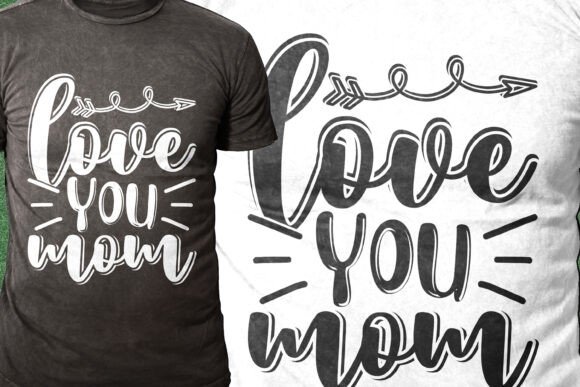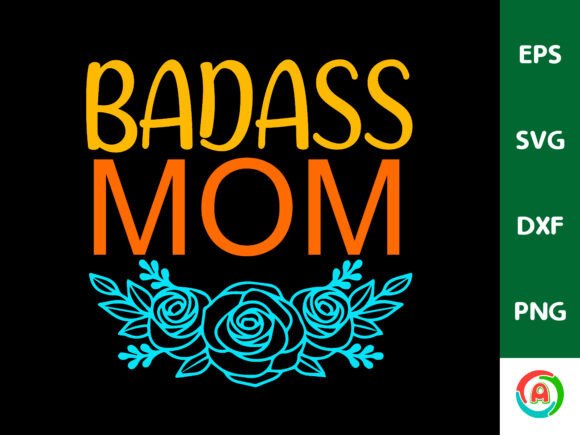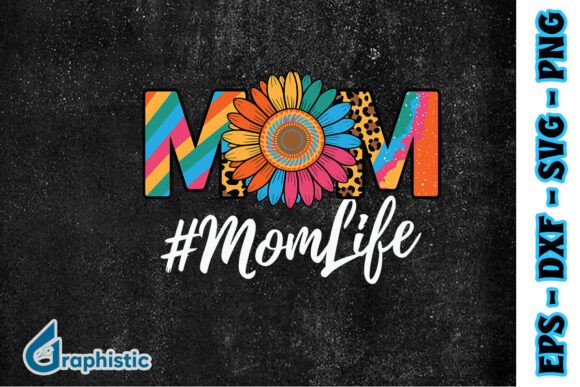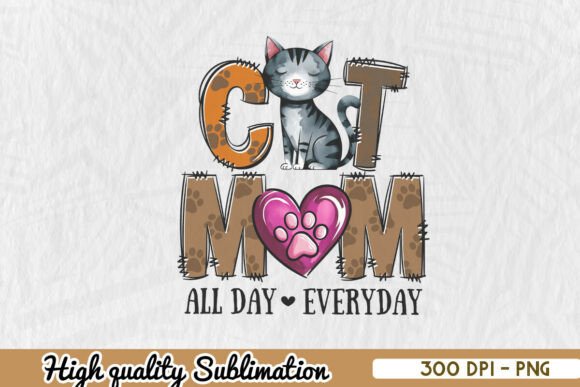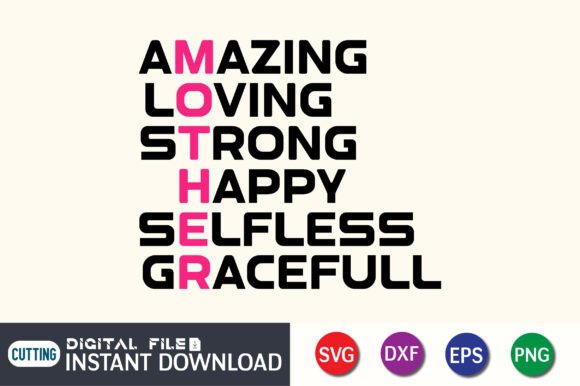
Mom Life, Mother’s Day Embroidery Design Review
Performance Across Different Embroidery Projects
This design adapts nicely to a variety of real-life embroidery scenarios. Here are some practical use cases:
- Sweatshirts & T-Shirts: Great for creating cozy, heartfelt Mother’s Day shirts. Use a light stabilizer if working with stretchy fabrics like jersey knits.
- Tote Bags: Ideal for adding a meaningful statement to reusable or decorative totes. The design remains clear even after multiple washes if stitched properly.
- Baby Clothes & Aprons: While the main text may be too large for baby onesies, the layered elements can be resized and used creatively on bibs, aprons, or infant caps.
- Pillows & Tea Towels: Perfect for home décor items where a softer, more elegant look is desired. The fill areas can be adjusted for less density to suit lighter-weight fabrics.
- Embroidered Patches: Works well as a standalone patch design. Just ensure you have a hoop size that accommodates the full dimensions without crowding.
- Commercial Embroidery: As long as licensing terms are verified (which aren’t specified here), this design can serve as a solid asset for small shop product lines or seasonal offerings.
Design Notes for Maximum Impact
One thing I noticed during testing was the importance of thread color contrast. On darker fabrics, especially black or navy, using white or cream thread really brings out the sentiment of the design. Conversely, on light-colored materials like pastels or off-whites, muted tones work better to avoid overpowering the piece.
The detail level is moderate—enough to give the design character without making it overly complex. That’s a big plus for hobbyists and small business owners who want something expressive but manageable. The corners are smooth, and the edges of the text don’t have unnecessary embellishments, which helps prevent snagging or uneven stitching.
Where to Use with Caution
- Small Hoop Sizes: The design’s width may exceed the capacity of standard mini hoops, so resizing or splitting layers could be necessary.
- Textured or Stretchy Fabrics: These can distort fine details or cause tension issues. Always test on scrap material first.
- Dark Fabric Backgrounds: Thread visibility becomes critical. Consider using metallic or white threads for better contrast.
- Curved Surfaces: When applying to caps or curved surfaces, make sure the design is mirrored and hooped correctly to maintain alignment.
- Dense Stitch Areas: If your machine struggles with high-density fills, consider reducing stitch count or adjusting the stitch type for smoother results.
Practical Tips for Optimal Results
- Test on Scrap Fabric: Especially important for new designs or unfamiliar machines. This helps catch issues early.
- Review Stitch Density: Adjust fill stitch spacing for delicate or heavy-duty fabrics to prevent puckering or tearing.
- Confirm Hoop Size: Make sure your hoop can comfortably accommodate the entire design without compression.
- Inspect Small Details: Zoom in on the SVG to check for tiny lettering or intricate elements that may need simplification.
- Use Proper Stabilizer: Depending on your fabric, choose a cutaway, tearaway, or washable stabilizer to keep things secure during stitching.
- Check Licensing Before Selling: Since commercial use isn’t explicitly mentioned in the product description, always verify whether you’re allowed to sell finished goods or digital assets featuring this design.